Ten Things That Actually Work for Sleeping in a Honolulu Hotel
Honolulu hotels have specific enemies of sleep: feral roosters, cycling AC units, and brutal jet lag. Here are ten fixes that actually work in Waikiki.


The 3:17 AM Soundtrack of Waikiki
The air conditioner rattles into its off cycle. Silence. Then, three seconds later, a rooster in the Ko'olau foothills answers another rooster two blocks over. You are wide awake at 3:17 AM with a brain still running on East Coast time, paying $295 a night for this. The average daily rate for a Honolulu hotel room in 2025 was $295 according to the Hawaii Tourism Authority, and the city ran at 78.5 percent occupancy. You are not alone in this room, and you are not alone in this problem. The standard advice about sleep hygiene does not touch the specific sensory assault of a Waikiki hotel. These strategies do.
Your First Line of Defence: the Room Itself
Book direct with the hotel. Not a third party. Direct booking gives you the standing to ask for a specific room and the front desk has discretion to move you. Third party bookings put you in the room the algorithm assigns. Make one ask at booking: “quiet room, away from elevators and ice machines, high floor.” Repeat that ask 48 hours before arrival. Check in between 15:00 and 16:00, the window when quiet rooms have not all been handed out. Walk in at 14:00 and the odds drop.
The 30 Minute Window
You have 30 minutes after check in to inspect the room and complain. Walk the perimeter. Open and close the closet door. Stand at the air conditioner. Put your ear to the adjoining door. If you hear mechanical hum above 45 dB, if the adjoining door has sound bleed, if the bed is broken, if the room smells of smoke and you booked non smoking, demand a change immediately. The window closes fast. After 30 minutes the hotel considers the room accepted. Ignore the wanderer instinct to just settle. Assign one person in your pair to be the planner. The planner books the refundable rate so they can walk. The wanderer would accept the first room and not complain. You want the planner to win this argument.
The Curtain Gap Problem
Blackout curtains in Honolulu hotels rarely meet at the middle. Light leaks through the gap starting at sunrise, which in summer is before 06:00. The rooms face east and the light is merciless. Fix it with a binder clip from the desk. Clip the two curtain panels together at the gap. A trouser hanger clip works too. The wanderer considers this unnecessary. The planner knows it is non-negotiable for any east facing room in summer. Do this before you unpack.
Air Conditioning, Noise, and the White Noise Stack
The window unit air conditioner in a Waikiki hotel cycles. It runs, it stops, it runs. The silence between cycles is louder than the machine itself because you hear every rooster, every hallway door, every elevator chime. The noise threshold for sleep disruption is above 50 dB continuous, which most units exceed while running. The fix is not the unit itself. The fix is the fan setting.
Find the switch on the unit that says “fan on” and “auto.” Set it to “on.” The fan runs continuously, the compressor still cycles, but the steady airflow noise masks the gaps. You now have a roughly 50 dB white noise generator built into the wall. That is baseline. Now stack the backup.
The App and The Plug
Open the myNoise app on iOS or Android. Select the “White Noise & Co” preset. Set the volume so your phone measures 55 to 65 dB at the pillow. You can measure this with a free phone app. The myNoise preset has a specific spectral balance that avoids the high frequency hiss that cheap white noise apps add. It sounds like air, not static. Now insert foam earplugs with a Noise Reduction Rating of 32 dB. The app alone is not enough if the AC fails and a neighbor decides to watch television at 2 AM. The dedicated earplugs are the backup the wanderer thinks is unnecessary and the planner insists upon. You need both.
Pillow Menu Matters
Call housekeeping on arrival. Ask for the pillow menu. Most four star and above hotels in Honolulu have one. Ask for “firm” or “flat” or “feather free.” You cannot sleep well on a pillow that folds your neck into a comma. If the hotel does not have a menu, ask for the flattest pillow they have. Thin pillows suit side sleepers who stack two. Thick pillows break the alignment. Know your sleep position and choose accordingly.
Jet Lag is a Light Problem. Solve it with Light.
You arrived from the East Coast with a six hour time difference. Your body thinks 3 AM Honolulu time is 9 AM, your waking hour. Melatonin alone will not fix this. The timing of light exposure is the mechanism, and it works with precision.
From 22:00 to 04:00 local time, avoid all blue light. Screens off. If you must use a phone, turn on the red filter or use an app that shifts the spectrum to warm. Red light does not suppress melatonin production. White and blue light do. From 06:00 to 09:00 local time, get 20 to 30 minutes of direct morning sunlight. No sunglasses. The light signals your suprachiasmatic nucleus to advance the clock. Do this every morning for the first three days. Do not skip. The sunlight on a Waikiki beach at 06:30 is physically unpleasant because you are exhausted. Do it anyway.
Melatonin timing: take 0.5 mg to 1 mg three hours before your target bedtime in Honolulu. That means 7 PM local time if you aim to sleep at 10 PM. The low dose works better than the high dose. High doses linger and cause grogginess at 6 AM. Low doses signal the brain without flooding the system. Do not take it after 9 PM. If you are flying in from Portland, the time change works in your favor for an early melatonin dose.
The Rooster Problem Cannot Be Solved. it Can Be Managed.
The feral roosters of Oahu do not follow a schedule. They have no circadian rhythm. They start at 4 AM and they do not stop. Earplugs rated at 32 dB NRR reduce crowing from approximately 90 dB to 58 dB. That is still loud. Stack with the white noise app at 60 dB and you have 58 dB of crowing competing with 60 dB of steady noise. The white noise wins if the spectral balance is correct. The myNoise preset targets the mid frequencies where the rooster call lives. This is not a perfect solution. It is the best available solution.
If you are a light sleeper who cannot tolerate earplugs, demand a room on the highest floor possible and on the ocean side of the building. The ocean side rooms face away from the Ko'olau foothills where the roosters congregate. The rooms on the mountain side catch the full chorus. A high floor puts more distance between you and the ground level where the birds wander. This is not a guarantee. It improves the odds.


| Intervention | Cost | Setup Time | Effectiveness Against Roosters | Effectiveness Against AC |
|---|---|---|---|---|
| Foam earplugs (32 dB NRR) | $5 to $15 per pack | 30 seconds | Reduces crowing to 58 dB | Reduces fan noise to 38 dB |
| myNoise app premium | $5 to $10 one time | 2 minutes | Masks residual sound at 60 dB | Fills AC off cycle with steady tone |
| Binder clip on curtains | $0 (in room) | 10 seconds | None | None (light only) |
The Next Single Thing You Do
Open your hotel booking confirmation right now. If you booked through a third party, call the hotel directly, give them your confirmation number, and ask them to add the quiet room ask. Do not wait. Forty eight hours before arrival is the deadline for the front desk to see it. You control the room, the fan setting, the binder clip, the earplugs, and the app. The only variable you cannot control is whether the rooster outside your window decides to scream at 4:17 AM. Everything else is a choice. Make the choices now.
Read next
-
 Oahu Hotels the Resort Fee Parking Bill and Room View Arithmetic
Oahu hotels advertise one rate and charge another. We break down the resort fees, parking bills, and view-category fine print so the arithmetic is clear before you book.
Oahu Hotels the Resort Fee Parking Bill and Room View Arithmetic
Oahu hotels advertise one rate and charge another. We break down the resort fees, parking bills, and view-category fine print so the arithmetic is clear before you book.
-
 Where to Stay on Oahu Waikiki Ko Olina or the North Shore
Where to stay on Oahu comes down to three very different Hawaiis: the high-rise energy of Waikiki, the gated calm of Ko Olina, or the rural surf rhythm of the North Shore.
Where to Stay on Oahu Waikiki Ko Olina or the North Shore
Where to stay on Oahu comes down to three very different Hawaiis: the high-rise energy of Waikiki, the gated calm of Ko Olina, or the rural surf rhythm of the North Shore.
-
 Oahu Things to Do Beyond Waikiki That Are Worth the Drive
The best Oahu things to do sit well beyond the Waikiki high-rises: crater hikes, snorkel bays, surf towns, and a sunken battleship that requires a timed ticket.
Oahu Things to Do Beyond Waikiki That Are Worth the Drive
The best Oahu things to do sit well beyond the Waikiki high-rises: crater hikes, snorkel bays, surf towns, and a sunken battleship that requires a timed ticket.
-
 Best Time to Visit Oahu Surf Whales Rain and Room Rates
The best time to visit Oahu depends on whether you want winter surf and whales at peak prices, or calmer summer swimming with the family-holiday crowds.
Best Time to Visit Oahu Surf Whales Rain and Room Rates
The best time to visit Oahu depends on whether you want winter surf and whales at peak prices, or calmer summer swimming with the family-holiday crowds.
-
 Getting Around Oahu Rental Car TheBus and the Parking Problem
Getting around Oahu means choosing between a rental car that opens the island and a parking bill that stings, or TheBus which costs $3 and demands patience.
Getting Around Oahu Rental Car TheBus and the Parking Problem
Getting around Oahu means choosing between a rental car that opens the island and a parking bill that stings, or TheBus which costs $3 and demands patience.
-
 Eating on Oahu Plate Lunch Poke and the Places We Would Queue For
Eating on Oahu means plate lunches from a drive-in, poke sold by weight at a supermarket, and hot malasadas dusted in sugar from a bakery window on Kapahulu.
Eating on Oahu Plate Lunch Poke and the Places We Would Queue For
Eating on Oahu means plate lunches from a drive-in, poke sold by weight at a supermarket, and hot malasadas dusted in sugar from a bakery window on Kapahulu.
-
 Pearl Harbor Reservations and the Bag Rule for a Respectful Half Day
Pearl Harbor bans bags inside the memorial, and free USS Arizona tickets vanish fast. Here is how we handled the bag rule and booked a respectful half-day.
Pearl Harbor Reservations and the Bag Rule for a Respectful Half Day
Pearl Harbor bans bags inside the memorial, and free USS Arizona tickets vanish fast. Here is how we handled the bag rule and booked a respectful half-day.
-
 Hanauma Bay Reservation and Snorkelling Without Trashing the Reef
Hanauma Bay requires a timed reservation booked days ahead, and walk-ins are turned away. Here is how we got tickets and snorkelled without damaging the reef.
Hanauma Bay Reservation and Snorkelling Without Trashing the Reef
Hanauma Bay requires a timed reservation booked days ahead, and walk-ins are turned away. Here is how we got tickets and snorkelled without damaging the reef.
-
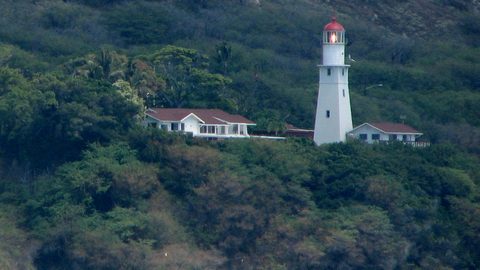 Diamond Head Reservation and Hike the Heat the Crowd and the View
The Diamond Head hike delivers a postcard crater-and-coast panorama but demands an advance reservation, an early start, and a tolerance for exposed switchbacks and summit crowds.
Diamond Head Reservation and Hike the Heat the Crowd and the View
The Diamond Head hike delivers a postcard crater-and-coast panorama but demands an advance reservation, an early start, and a tolerance for exposed switchbacks and summit crowds.