Deciding Where to Stay on Oahu: Waikiki, Ko Olina, or the North Shore
Where to stay on Oahu comes down to three very different Hawaiis: the high-rise energy of Waikiki, the gated calm of Ko Olina, or the rural surf rhythm of the North Shore.
Where to Stay on Oahu: Waikiki, Ko Olina, or the North Shore
At 7:30 AM on a Tuesday, the lot at Lanikai Beach holds three cars and a ticket writer. By 8:00 AM, every space is gone and the ticket writer is still there. This is the moment most Oahu visitors realise they chose the wrong base. Where to stay on Oahu is a personality match, not a ranking. Waikiki rewards first timers who want walkable action and dinner late into the night. Ko Olina wraps you in a resort cocoon and dares you to leave. The North Shore works for surfers and slow travel types who accept a 75 minute drive to the airport. Pick the one that fits how you actually travel, not the one that looks best on Instagram.
Waikiki: Walkable Action, Man Made Beach, and 200 Restaurants Open Past 9 PM
Why You Stay Here
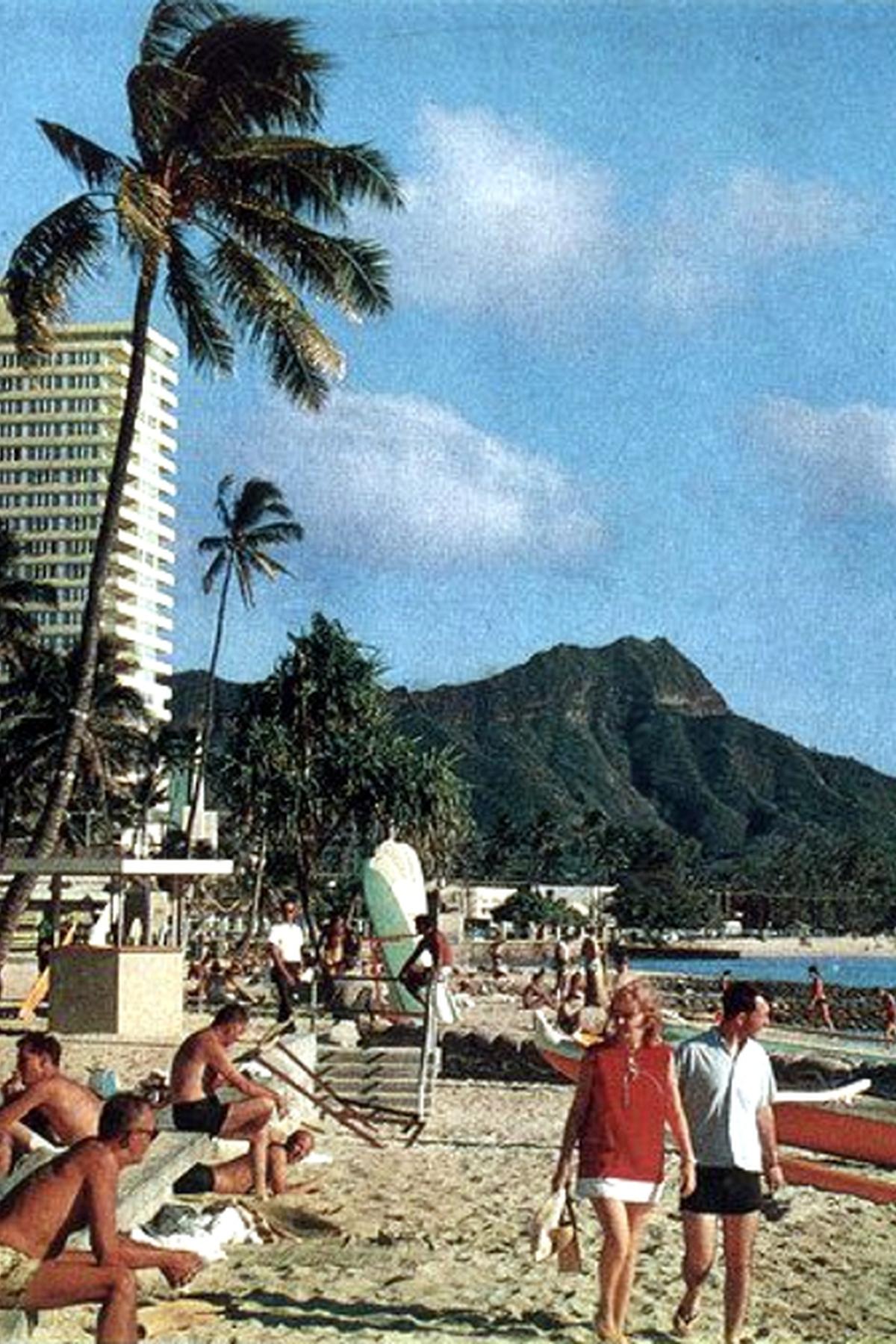
Waikiki is a high rise resort strip built on a man made beach. At high tide, the sand narrows to 15 metres wide near the Sheraton and widens to 30 metres at Queen's Surf Beach. You can step out of your hotel and be on the sand in three minutes. That walkability is the reason to stay here.
What It Costs
Nightly rates for a Waikiki resort run from roughly $180 to $900, set by the property and shifting with ocean view tier and month. Expect a daily resort fee, typically in the $35 to $55 band, for Wi Fi, beach chairs, and cultural classes. Overnight vehicle storage at your hotel runs $40 to $65 per night. Skip the rental car and you avoid that charge entirely. TheBus Route 20 runs from the airport to Waikiki for $3 cash, but it bans large luggage, so budget for a rideshare.
Eating Late
Evening food options are abundant within a short walk of Kalakaua Avenue, with many kitchens open late into the night. Shave ice at Waiola, malasadas from Leonard's Bakery, and a plate lunch at Rainbow Drive In are all a short walk or a cheap ride away.
The failure case: staying exclusively in Waikiki and never renting a car. The island's best experiences are scattered and require wheels. If you do rent, drive time to the airport is 25 to 50 minutes via H 1, varying with rush hour direction. The walkable convenience is real, but it comes with crowds. Waikiki is not a quiet escape.
,_in_October_1963.jpg)
Waikiki vs Ko Olina vs North Shore: Which Personality Wins
Waikiki: The Sampler
Waikiki suits the first timer who wants a sampler of everything. You can walk to the beach, eat late, shop, and book a tour to Pearl Harbor or Diamond Head without a car for the first few days. The trade off is density: you share the sand, the elevator, and the sidewalk with thousands of other visitors.
Ko Olina: The Cocoon
Ko Olina is for the resort cocooner. Four man made lagoons, each about 200 metres of shoreline, sit inside a manicured enclave. Nightly rates run from roughly $400 to $1,200, with Four Seasons and Aulani dominating pricing. The Aulani does not charge a separate resort fee; other Ko Olina properties add a daily charge in the $40 to $65 range. Public access to the four lagoon lots is free, with 50 to 200 spaces per lot, but they fill by 8:00 AM on weekends. Evening food options are limited to a handful of restaurants within the resort boundaries, only a few of which are open late into the evening. You feel removed from island reality, which is the point. The failure case: wanting a spontaneous plate lunch or a food truck and realising the nearest cluster is a 30 minute drive away.
North Shore: The Slow Lane
The North Shore works for the surf obsessed or the slow travel type. Five named beaches run along eight kilometres of coastline. The single resort charges roughly $350 to $800 per night plus a $45 resort fee that includes cruiser bikes, snorkel gear, and a GoPro loan. Free public vehicle access exists at Kawela Bay with 30 spaces. Resort valet costs $35 per day. Evening food options are a few on site outlets, with the last kitchen closing by the end of the dinner hour. The nearest off site restaurant cluster is 15 kilometres away in Haleiwa. The failure case: planning daily excursions to Honolulu. The drive from Turtle Bay to the airport is 55 to 75 minutes via Kamehameha Highway, with no freeway segment. H 1 traffic can turn a North Shore stay into a punishing two hour commute each way on a Saturday afternoon.
| Factor | Waikiki | Ko Olina | North Shore (Turtle Bay) |
|---|---|---|---|
| Nightly rate range (2026) | $180-900 | $400-1,200 | $350-800 |
| Resort fee (2026) | $35-55/night | $40-65/night (Aulani: $0) | $45/night includes gear rental |
| Hotel parking | $40-65/night | Included or $40-65 | $35 valet or free at Kawela Bay (30 spaces) |
| Public beach access | 15-30m wide, man made | 4 lagoons, 200m each, fills by 8am weekends | 5 named beaches, 8km coastline |
| Restaurants open late | Abundant along Kalakaua | A few within resort | None on site; nearest in Haleiwa |
| Drive to HNL airport | 25-50 min via H1 | 30-40 min via H1 | 55-75 min via Kamehameha Hwy |
| Best for | First timers, walkability, late nights | Resort cocoon, families, seclusion | Surfers, slow travel, nature |
Best Area to Stay Oahu: the Traffic Math and the Parking Reality
The H 1 Is Your Real Estate Agent
An Oahu neighborhood guide for visitors has to start with the H 1 traffic. The 30 mile drive from Honolulu to the North Shore can take two hours each way on a Saturday afternoon. If you plan daily trips to the USS Arizona Memorial, Diamond Head Summit Trail, or Hanauma Bay, staying on the North Shore is a mistake. You will spend four hours a day in a car, not on vacation.
The Parking Trap
Vehicle storage is the second trap. Waikiki metered street stalls cost $1 to $4 per hour, and the Honolulu Zoo lot charges $1.50 per hour. But street spaces at popular trailheads like Lanikai or Waimea Bay are virtually non existent by 8:00 AM. Beach access at Kailua and Lanikai is now almost entirely resident permit only with aggressive ticketing. The free for all era is over. Budget for hotel vehicle storage or a valet charge as a fixed daily cost, not a variable you can avoid.
If You Want a Split Stay
A split stay lets you see two coastlines, but the logistics punish the unprepared. Check out is 11:00 AM and check in is 3:00 PM to 4:00 PM. That leaves a 4 to 5 hour dead window with your bags in the car or with a bell desk. No beach or pool access during the gap unless you buy a day pass. Waikiki pools sell day passes for $50 to $80 per person. Ko Olina pools are resort guests only, so you cannot buy access. Turtle Bay does not sell pool day passes at all. Drive time between Waikiki and Ko Olina is 45 to 70 minutes. Between Ko Olina and Turtle Bay it is 70 to 90 minutes. Between Turtle Bay and Waikiki it is 65 to 85 minutes. One unpacking gives you two extra beach hours. Two coastlines gives you a 4 to 6 hour dead window. Decide which matters more.
Frequently Asked Questions
Which part of Oahu has the best beaches?
It depends on what you want. Waikiki has a reliable but narrow man made beach that is safe for swimming and walking. Kailua has white sand and upscale beach town charm but vehicle access is now resident permit only. The North Shore has five named beaches along eight kilometres of coastline, including Turtle Bay, but surf conditions can be dangerous in winter. Ko Olina has four man made lagoons with calm water, ideal for families, but they are artificial and fill with visitors by 8:00 AM on weekends.
Is it worth renting a car on Oahu?
Yes, if you want to see anything beyond Waikiki. The island's best experiences are scattered and require wheels. The single thing that trips visitors up is vehicle storage: Waikiki hotels charge $40 to $65 per night, and street spaces at popular trailheads are gone by 8:00 AM. Budget for it as a fixed daily cost. If you stay exclusively in Waikiki and never rent a car, you will conclude Oahu is just a generic resort city. That is the most common mistake.
What is the best area to stay on Oahu for first timers?
Waikiki. It is walkable, has abundant restaurants open late into the night, and gives you a sampler of everything. You can walk to the beach, book a tour to Pearl Harbor, and eat late without a car for the first few days. The trade off is crowds and density. If you cannot tolerate sharing a beach with dozens of other people, skip Oahu entirely or choose Ko Olina for a more controlled resort environment.
How bad is the traffic from the North Shore to Honolulu?
Bad enough to ruin your day. The 30 mile drive from the North Shore to Honolulu can take two hours each way on a Saturday afternoon via H 1. If you plan daily Honolulu excursions, staying on the North Shore is punishing. The drive from Turtle Bay to the airport is 55 to 75 minutes via Kamehameha Highway, with no freeway segment. That commute time makes the North Shore a better fit for surfers and slow travel types who stay local.
Can I visit Ko Olina lagoons without staying at a resort?
Yes. The four lagoon lots have free public access with 50 to 200 spaces per lot. But they fill by 8:00 AM on weekends, so arrive early or skip it. The resort pools are guests only, so you cannot buy a day pass. Evening food options are limited to a handful of restaurants within the resort boundaries, only a few open late into the evening. Ko Olina is designed to keep you inside the resort, not to encourage exploration.
Read next
-
 Oahu Hotels the Resort Fee Parking Bill and Room View Arithmetic
Oahu hotels advertise one rate and charge another. We break down the resort fees, parking bills, and view-category fine print so the arithmetic is clear before you book.
Oahu Hotels the Resort Fee Parking Bill and Room View Arithmetic
Oahu hotels advertise one rate and charge another. We break down the resort fees, parking bills, and view-category fine print so the arithmetic is clear before you book.
-
 Oahu Things to Do Beyond Waikiki That Are Worth the Drive
The best Oahu things to do sit well beyond the Waikiki high-rises: crater hikes, snorkel bays, surf towns, and a sunken battleship that requires a timed ticket.
Oahu Things to Do Beyond Waikiki That Are Worth the Drive
The best Oahu things to do sit well beyond the Waikiki high-rises: crater hikes, snorkel bays, surf towns, and a sunken battleship that requires a timed ticket.
-
 Getting Around Oahu Rental Car TheBus and the Parking Problem
Getting around Oahu means choosing between a rental car that opens the island and a parking bill that stings, or TheBus which costs $3 and demands patience.
Getting Around Oahu Rental Car TheBus and the Parking Problem
Getting around Oahu means choosing between a rental car that opens the island and a parking bill that stings, or TheBus which costs $3 and demands patience.
-
 The Honolulu Travel Hacks We Actually Still Use After Dropping All the Internet Nonsense
Most Honolulu travel hacks are recycled filler. These are the few we have tested across multiple trips and still use every time we land on Oahu.
The Honolulu Travel Hacks We Actually Still Use After Dropping All the Internet Nonsense
Most Honolulu travel hacks are recycled filler. These are the few we have tested across multiple trips and still use every time we land on Oahu.
-
 Sleeping Well in a Honolulu Hotel Room When the Air Conditioner, the Roosters, and the Jet Lag All Conspire Against You
Honolulu hotels have specific enemies of sleep: feral roosters, cycling AC units, and brutal jet lag. Here are ten fixes that actually work in Waikiki.
Sleeping Well in a Honolulu Hotel Room When the Air Conditioner, the Roosters, and the Jet Lag All Conspire Against You
Honolulu hotels have specific enemies of sleep: feral roosters, cycling AC units, and brutal jet lag. Here are ten fixes that actually work in Waikiki.
-
 How We Stopped Taking Too Many Travel Photos and Started Taking Better Ones in Honolulu
We used to take thousands of near-identical Honolulu photos and remember nothing. Here is the simple system that finally fixed it for two photo-obsessed people.
How We Stopped Taking Too Many Travel Photos and Started Taking Better Ones in Honolulu
We used to take thousands of near-identical Honolulu photos and remember nothing. Here is the simple system that finally fixed it for two photo-obsessed people.
-
 Is Cruising for You After a First Time Out of Honolulu
Boarding a cruise ship in Honolulu for the first time as a sceptic, I found the reality of the embarkation, the cabin, and the rhythm at sea nothing like I expected.
Is Cruising for You After a First Time Out of Honolulu
Boarding a cruise ship in Honolulu for the first time as a sceptic, I found the reality of the embarkation, the cabin, and the rhythm at sea nothing like I expected.
-
 Planning a Week on Oahu and How We Would Split It Now
A week on Oahu splits best when you stop trying to see it all. Here is how we would divide seven days across Honolulu, the Windward side, and the leeward coast without the rush.
Planning a Week on Oahu and How We Would Split It Now
A week on Oahu splits best when you stop trying to see it all. Here is how we would divide seven days across Honolulu, the Windward side, and the leeward coast without the rush.
-
 Whale Watching from Honolulu and Managing Your Expectations
Whale watching from Honolulu depends entirely on the month, the boat, and your tolerance for long stretches of empty water. Here is what the season actually delivers.
Whale Watching from Honolulu and Managing Your Expectations
Whale watching from Honolulu depends entirely on the month, the boat, and your tolerance for long stretches of empty water. Here is what the season actually delivers.