Diamond Head Hike: Getting the Reservation, Beating the Heat, and Earning the View
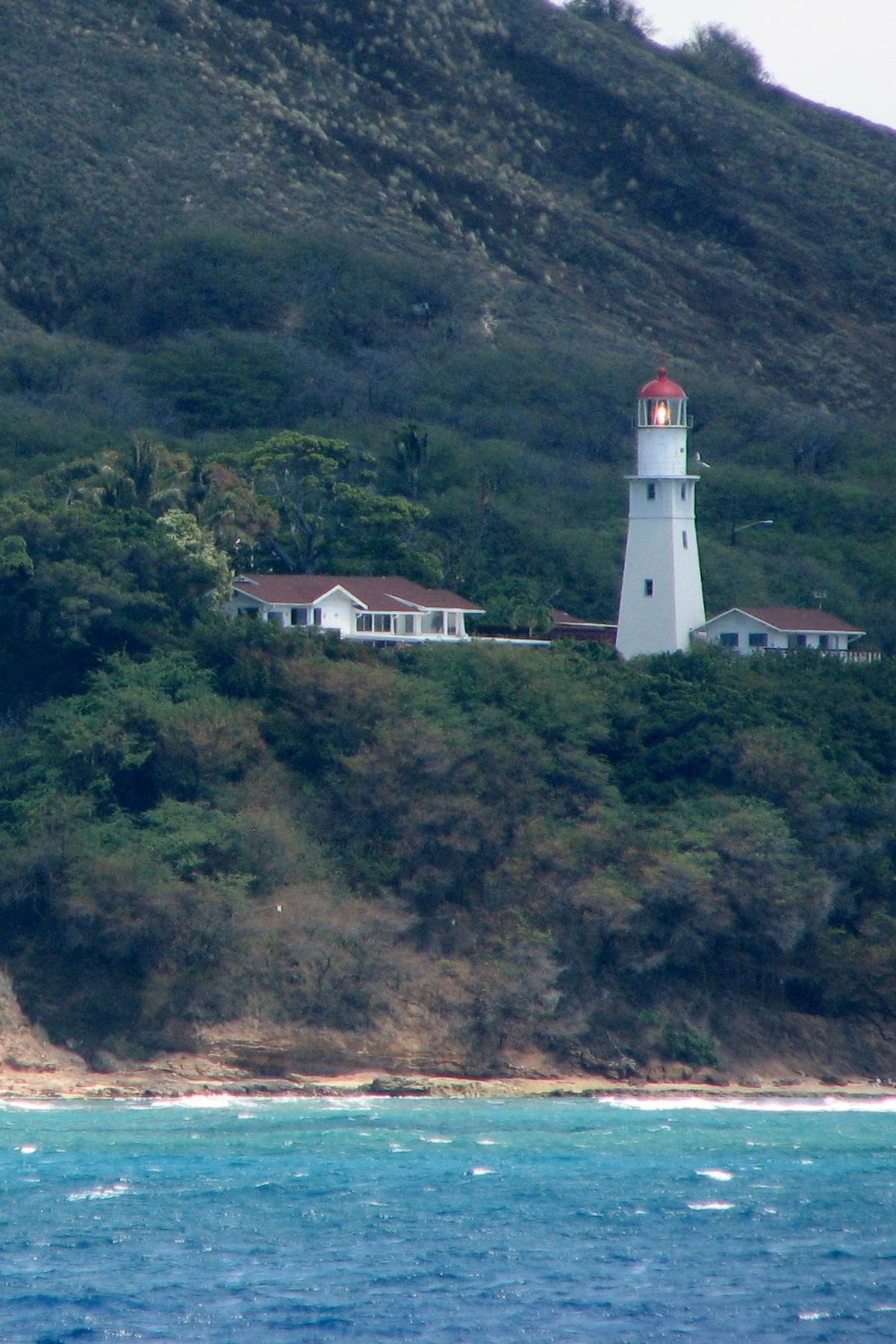
The Diamond Head hike delivers a postcard crater-and-coast panorama but demands an advance reservation, an early start, and a tolerance for exposed switchbacks and summit crowds.

Diamond Head Hike: Getting the Reservation, Beating the Heat, and Earning the View
Show up when you feel like it, pay a few dollars at the gate, walk up. That is the easiest assumption about the Diamond Head summit trail. It is wrong. The reservation system that frustrates visitors is what makes the experience tolerable. Without timed entry, the parking lot would overflow by 7:30 AM and the summit platform would hold a hundred people at once. The Diamond Head hike now requires planning. The payoff is a crater rim view that one of us calls the best effort-to-reward ratio on Oahu. The other one found the exposed switchbacks punishing by mid-morning and the summit crowd claustrophobic. Both are right, depending on the slot you book and the water you carry.
Diamond Head Reservation System: How the Booking Portal Works
Booking Your Time Slot
All non-resident visitors must reserve an entry time slot in advance through the Hawaiʻi State Parks Online Reservation System at gostateparks.hawaii.gov/diamondhead. Residents with a valid Hawaii ID enter free and do not need a reservation. The reservation release window opens 30 days ahead at 7:00 AM HST. Slots are available from 6:00 AM to 4:00 PM in 30-minute intervals. The last entry slot is 4:00 PM and the gate closes at 6:00 PM. The state sets a booking fee per reservation; check the portal for the current amount.
The most common mistake is waiting until the night before. Slots for the 6:00 AM and 6:30 AM windows sell out first, especially between December and March and again in summer. If your preferred time is gone, look for a midday slot and accept that you will hike in the hottest hours. Walk-ins are permitted without a parking reservation but you still need a valid entry time slot. Walk-ins enter through the pedestrian gate at the Kahala Tunnel.
Diamond Head Entry Fee and Parking: What it Costs and Where You Park
Entry Fees and Parking Rules
Hawaiʻi State Parks sets the non-resident entry fee and parking fee. Confirm the current rates on the reservation portal before you book; the posted figures are a guide, not a guarantee. Children three and under enter free. Parking must be booked with your entry reservation. There is no drive-up purchase. The lot holds 152 spaces. Residents park free.
Getting There Without a Car
If you arrive by rideshare, the drop-off zone is inside the crater near the visitor center. If you take TheBus, Route 23 stops at Diamond Head Road at 18th Avenue. The walk from the bus stop to the trailhead adds roughly 15 minutes. Do not attempt to park on Diamond Head Road outside the monument. Towing is enforced and finding street parking in the Kapahulu neighbourhood requires luck, not strategy.
Diamond Head Summit Trail Guide: What the Climb Actually Feels Like
The summit trail is 0.8 miles one way with 560 feet of elevation gain. It is an out-and-back route. The surface is paved but relentlessly exposed. Shade is minimal except for the 225-foot unlit tunnel. Carry a phone light or a small torch. You will need it.
The Three Stair Sections
The climb breaks into three stair sections. The first is 74 concrete steps on a steep incline. Your heart rate spikes here because your legs are still cold. The second section is a 99-step metal spiral staircase inside the tunnel. The spiral creates a disorienting effect in the dark; take it slowly. The third section is a 52-step metal staircase at the summit military bunker complex. That one takes you onto the concrete lookout platform where the crater rim view opens in a full arc from Waikiki to the far end of the south shore.
Is Diamond Head Worth It? the Case for and Against
The Case For
The view from the summit is a single panorama that takes under an hour of actual hiking to reach. That ratio is hard to beat on any island. You see the entire Waikiki coastline, the crater floor below, and on a clear morning the profile of Molokai on the horizon. The concrete lookout platform has room for roughly 20 people before it feels crowded. Book the 6:00 AM sunrise slot. You will have space and cool air.
The Case Against
The trail is fully exposed from the tunnel exit to the summit. By mid-morning the sun hits the switchbacks directly and the trade winds do not reach the upper crater bowl. The summit platform feels claustrophobic when multiple groups arrive at the same 30-minute interval. The climb involves stairs plus the tunnel. If you hate stairs, this is not a casual stroll. The alternative ridge-view hike is Kuliʻouʻou Ridge Trail in East Oahu. It is 2.5 miles one way with 1,770 feet of elevation gain, requires no reservation, has partial to full shade through forested sections, and ends in a panoramic ridge view of both coasts. That trail has zero stairs. It also takes twice as long.
Beating the Heat: What Time Slot to Book and How Much Water to Carry
Pick the Right Slot
Book the 6:00 AM or 6:30 AM slot. Sunrise in October falls between 6:20 AM and 6:35 AM. That slot lets you start in darkness and crest the crater rim as the light comes up. The hike takes 20 to 40 minutes up and 15 to 25 down, so you are off the summit before 7:30 AM. The hottest hours on the trail are 11:00 AM to 2:00 PM. Avoid those unless you have no other option.
Carry Enough Water
Carry one litre of water per person minimum. Two litres is better. There is no water source on the trail and the visitor center tap is at the parking lot 0.8 miles below the summit. A common failure is carrying a single 500ml bottle and assuming the climb is short enough to skip hydration. By the tunnel on the way up, that person is already behind. Heat exhaustion on this trail is a weekly event during summer months.
The Military Bunker and the Summit Lookout Platform
The summit is a concrete military bunker complex built during World War II. The lookout platform is the highest point of the crater rim. From it you can see the entire south coast of Oahu and the crater floor with its scrub brush and dry grass. The bunker itself is roped off but you can walk through the upper sections. The structure is raw military concrete, not restored. Do not expect interpretive signage or exhibits. This is a functional ruin with a view.
The tunnel on the route was part of the same defensive infrastructure. It runs under the crater rim and emerges onto the switchbacks that lead to the upper staircase. The tunnel is unlit and the floor is uneven. If you are hiking with someone who has limited mobility, the tunnel and the spiral staircase inside it are the main obstacles. The alternative Kuliʻouʻou Ridge Trail has neither stairs nor tunnels but requires more endurance and a longer drive from Waikiki.
| Factor | Diamond Head Summit Trail | Kuliʻouʻou Ridge Trail |
|---|---|---|
| One way distance | 0.8 miles | 2.5 miles |
| Elevation gain | 560 feet | 1,770 feet |
| Stairs | Three sections | 0 (dirt switchbacks, wooden steps) |
| Shade | Minimal (tunnel only) | Partial to full (forested) |
| Reservation required | Yes (all non-residents) | No |
| Entry fee (non-resident) | Set by state; check portal | $0 |
| Best for | Quick payoff, crater view | Long hike, 360-degree ridge view |
Who This Hike Suits and Who Should Skip it
Diamond Head suits first-time visitors who want a quick hike with a classic Oahu view, military history buffs interested in World War II bunker infrastructure, and families with older children who can manage stairs. It suits anyone who values a short, paved climb with a guaranteed payoff over a longer, shadier route that requires more time and navigation. The reservation system makes the experience predictable. You know exactly how many people will be there at your entry interval.
Skip Diamond Head if you hate stairs, if you need shade, if you want solitude, or if you resent paying for a short trail. The hike is less than a mile. The summit platform can hold maybe 20 people before it feels uncomfortable. If you want a longer, quieter, free alternative with no reservation required, the Kuliʻouʻou Ridge Trail exists 20 minutes east of Waikiki. The single thing that most often goes wrong here is underestimating the heat and overestimating how quickly the hike ends. People treat 0.8 miles as a warm-up and arrive without water. By the time they reach the tunnel on the descent, they are dehydrated and the stairs feel twice as hard.
Read next
-

 Oahu Hotels the Resort Fee Parking Bill and Room View Arithmetic
Oahu hotels advertise one rate and charge another. We break down the resort fees, parking bills, and view-category fine print so the arithmetic is clear before you book.
-
 Where to Stay on Oahu Waikiki Ko Olina or the North Shore
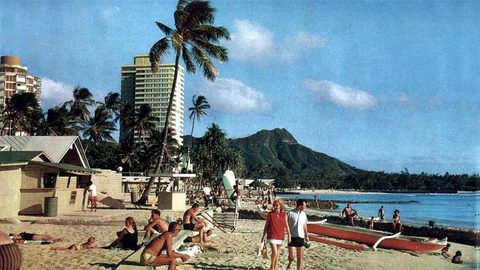
Where to stay on Oahu comes down to three very different Hawaiis: the high-rise energy of Waikiki, the gated calm of Ko Olina, or the rural surf rhythm of the North Shore.
-
 Oahu Things to Do Beyond Waikiki That Are Worth the Drive
The best Oahu things to do sit well beyond the Waikiki high-rises: crater hikes, snorkel bays, surf towns, and a sunken battleship that requires a timed ticket.
-
 Best Time to Visit Oahu Surf Whales Rain and Room Rates
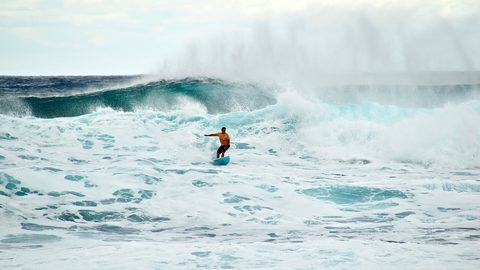
The best time to visit Oahu depends on whether you want winter surf and whales at peak prices, or calmer summer swimming with the family-holiday crowds.
-
 Getting Around Oahu Rental Car TheBus and the Parking Problem
Getting around Oahu means choosing between a rental car that opens the island and a parking bill that stings, or TheBus which costs $3 and demands patience.
-
 Eating on Oahu Plate Lunch Poke and the Places We Would Queue For
Eating on Oahu means plate lunches from a drive-in, poke sold by weight at a supermarket, and hot malasadas dusted in sugar from a bakery window on Kapahulu.
-
 The Honolulu Travel Hacks We Actually Still Use After Dropping All the Internet Nonsense
Most Honolulu travel hacks are recycled filler. These are the few we have tested across multiple trips and still use every time we land on Oahu.
-
 Sleeping Well in a Honolulu Hotel Room When the Air Conditioner, the Roosters, and the Jet Lag All Conspire Against You
Honolulu hotels have specific enemies of sleep: feral roosters, cycling AC units, and brutal jet lag. Here are ten fixes that actually work in Waikiki.
-
 How We Stopped Taking Too Many Travel Photos and Started Taking Better Ones in Honolulu
We used to take thousands of near-identical Honolulu photos and remember nothing. Here is the simple system that finally fixed it for two photo-obsessed people.