Honolulu Rainy Day Plan That Keeps You Outside Without Getting Soaked
A practical guide to Honolulu Rainy Day Plan That Keeps You Outside Without Getting Soaked.
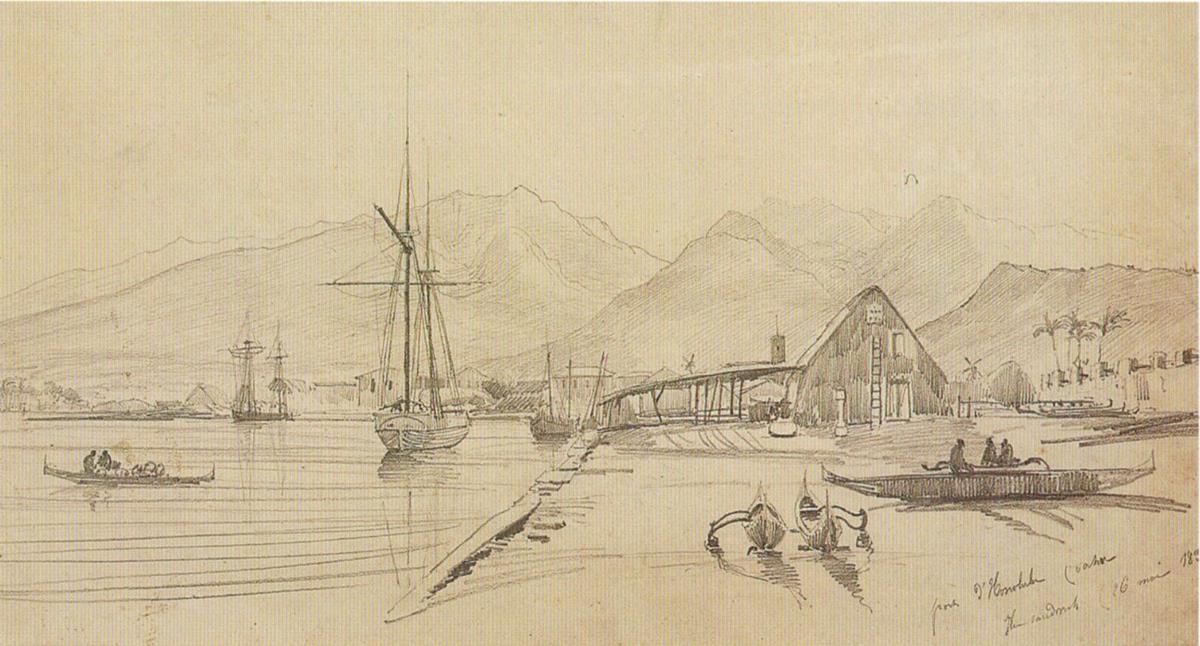

A Different Kind of Rainy Day in Honolulu
Honolulu rain does not have to mean retreating indoors. For couples who want to stay outside even when the showers arrive, the city and its surrounding landscapes offer a surprising number of places where you can walk, sit, and breathe the humid air without getting soaked. The trick is knowing where the tree canopies are thickest, which valleys stay walkable in a drizzle, and where the rain shadow effect works in your favor. This plan strings together those places, balancing shelter with the feeling of being fully present in the tropical weather that makes Oʻahu so green.
Walk Under a High Canopy in Mānoa Valley
Lyon Arboretum occupies 194 acres deep in Mānoa Valley, and its layout rewards couples who do not mind a little mist. The site functions as a University of Hawaiʻi research unit, but the public is welcome to explore its lower grounds. Near the parking lot, a dedicated Rain Shelter gives you a place to sit and wait out a passing downpour. Adjacent to it stands a walking Buddha statue, which adds a quiet focal point when the rain picks up.
For a walk that stays manageable in wet conditions, follow the ADA-compliant paved path that descends downhill from the Visitors Center. It passes through the Betty Ho Memorial Garden and continues to the Young Memorial Garden, where a gazebo overlooks a pond. The gazebo provides another covered spot to pause together. Because the arboretum is open Monday through Friday from 9 am to 3 pm and closed on weekends and state or federal holidays, a weekday visit is essential. Admission is free, though a donation of ten dollars per person is suggested. Before you go, confirm the current hours and closure days directly with the University of Hawaiʻi Harold L. Lyon Arboretum, as these details can change.
Picnic Under a Pavilion on the Windward Side
Hoʻomaluhia Botanical Garden in Kāneʻohe stretches across 400 acres with paved roads and walking paths that remain accessible when the ground is damp. The garden is free and open daily from 9 am to 4 pm, though it closes on Thursdays, Christmas Day, and New Year's Day. Its covered pavilions are the main draw for a rainy day strategy. You can pack a picnic, claim a pavilion, and listen to rain on the roof while staying completely dry, then step back onto the paths when the weather eases.
The drive over the Koʻolau Range to reach Kāneʻohe often means passing through cloud and showers, but the garden itself feels expansive rather than confining. Restrooms are available on site, which makes a longer stay practical. Because operating hours and closure days may shift, check with the City and County of Honolulu Department of Parks and Recreation before heading out.
Chase the Rain Shadow on the Leeward Coast
When the wet season runs from November through April, Waikīkī can see frequent showers while Ko Olina stays noticeably drier. This leeward coast area sits in the rain shadow of the Waiʻanae Range, which strips moisture from the clouds before they reach the shore. The result is more consistent sun and less rain, making it a strategic choice when the forecast looks unsettled elsewhere on the island.
Ko Olina features four man-made lagoons protected by rock breakwaters. The calm water remains swimmable even when ocean conditions are rough on other coasts, and the lagoons are open to the public regardless of where you are staying. You do not need a resort key card to spread a towel on the sand or wade into the water. If a shower does pass through, the lagoons are ringed by palm trees and resort landscaping that offer some cover, but the real advantage is simply that rain is far less likely here.
Learn a Craft Under a Covered Pavilion in Waikīkī
The Royal Hawaiian Center in Waikīkī runs free walk-in cultural classes that take place under covered pavilions, keeping you outdoors but shielded from direct sun and rain. The schedule rotates by day of the week. Lei making happens on Fridays, ukulele lessons on Mondays, hula on Tuesdays, and lauhala weaving on Wednesdays. All sessions run from 11:30 am to 12:30 pm.
For a couple, this works as a short, structured activity that does not require a reservation. You can arrive a few minutes early, claim a spot under the pavilion, and spend an hour learning something hands-on while the tropical air moves around you. The covered setting means a passing shower will not interrupt the class. Because the schedule and availability of these classes are subject to change, check the Royal Hawaiian Center events page before you plan your day around a specific craft.
Mix Indoor and Outdoor Exhibits at Bishop Museum
Bishop Museum gives you a flexible option when the weather is unpredictable. The main galleries are indoors and house the museum's core collections, but the grounds include a Native Hawaiian Garden called Nā Ulu Kaiwiʻula, planted with species important to Hawaiian culture. Outdoor murals completed in 2021 add another reason to walk the grounds between showers. The museum is open daily from 9 am to 5 pm.
This setup lets you alternate between air-conditioned galleries and open-air garden paths depending on what the sky is doing. If rain intensifies, you stay inside. When it lightens, you step out to see the plantings and murals. Admission prices use dynamic pricing that varies by day and season, and garden access may change, so verify the details directly with Bishop Museum before visiting.
Dine on a Covered Lanai at the Water’s Edge
Hau Tree restaurant sits on the sands of Waikīkī at the Kaimana Beach Hotel, with open-air oceanfront dining under a canopy of hau trees. The lanai is covered enough to keep rain off your table while leaving you exposed to the sound of waves and the salt breeze. Brunch and dinner are served daily, so you can time your meal for the part of the day when showers are most likely and still eat outside.
This works as an anchor for a rainy day itinerary. Book a brunch when morning rain is forecast, or reserve a dinner table to close out a day spent moving between gardens and pavilions. The hau tree canopy is dense, and the hotel maintains the space for all-weather use, so a light rain enhances the atmosphere rather than disrupting it.
Stroll Palace Grounds and a Downtown Greenhouse
Downtown Honolulu offers two more stops that keep you outside without leaving you exposed. The grounds of ʻIolani Palace are open to stroll and include the Coronation Pavilion, known as Keliʻiponi Hale, and the Sacred Mound, called Pohukaina. The palace interior requires a pre-purchased tour ticket and is open Tuesday through Saturday, but the grounds themselves give you open-air history with architectural shelter nearby if rain arrives.
A short distance away, Foster Botanical Garden operates daily from 9 am to 4 pm. Adult admission is five dollars, and Hawaiʻi residents pay three dollars. The garden includes a Conservatory, which is an indoor greenhouse, and an Outdoor Butterfly Garden. On a rainy day, the conservatory gives you a dry, climate-controlled space filled with plants, while the butterfly garden lets you step back outside when conditions improve. Together, the palace grounds and Foster Garden create a walkable downtown loop that adapts to changing weather.
Sources and verification
- manoa.hawaii.edu — Research source checked for this guide
- manoa.hawaii.edu — Research source checked for this guide
- honolulu.gov — Research source checked for this guide
- honolulu.gov — Research source checked for this guide
- honolulu-trip.com — Research source checked for this guide
- royalhawaiiancenter.com — Research source checked for this guide
Read next
-
 Oahu Hotels the Resort Fee Parking Bill and Room View Arithmetic
Oahu hotels advertise one rate and charge another. We break down the resort fees, parking bills, and view-category fine print so the arithmetic is clear before you book.
-
 Where to Stay on Oahu Waikiki Ko Olina or the North Shore
Where to stay on Oahu comes down to three very different Hawaiis: the high-rise energy of Waikiki, the gated calm of Ko Olina, or the rural surf rhythm of the North Shore.
-
 Oahu Things to Do Beyond Waikiki That Are Worth the Drive
The best Oahu things to do sit well beyond the Waikiki high-rises: crater hikes, snorkel bays, surf towns, and a sunken battleship that requires a timed ticket.
-
 Best Time to Visit Oahu Surf Whales Rain and Room Rates
The best time to visit Oahu depends on whether you want winter surf and whales at peak prices, or calmer summer swimming with the family-holiday crowds.
-
 Getting Around Oahu Rental Car TheBus and the Parking Problem
Getting around Oahu means choosing between a rental car that opens the island and a parking bill that stings, or TheBus which costs $3 and demands patience.
-
 Eating on Oahu Plate Lunch Poke and the Places We Would Queue For
Eating on Oahu means plate lunches from a drive-in, poke sold by weight at a supermarket, and hot malasadas dusted in sugar from a bakery window on Kapahulu.
-
 Oahu North Shore Without Treating It as Six Photo Stops
The Oahu North Shore deserves more than six rushed photo stops. Here is how we slowed down, ate well, and avoided the Saturday traffic grind.
-
 Pearl Harbor Reservations and the Bag Rule for a Respectful Half Day
Pearl Harbor bans bags inside the memorial, and free USS Arizona tickets vanish fast. Here is how we handled the bag rule and booked a respectful half-day.
-
 Hanauma Bay Reservation and Snorkelling Without Trashing the Reef
Hanauma Bay requires a timed reservation booked days ahead, and walk-ins are turned away. Here is how we got tickets and snorkelled without damaging the reef.